This site requires Javascript enabled to operate correctly. Please enable Javascript in your browser, or click here

Bailey Chinnery Photography

Borrowing from Painters

Borrowing from Painters: Gesture, Scale and Freedom

Adapted from a presention given by Valda Bailey on Find Your Voice


ICM and multiple exposure are often dismissed as tricks. Gimmicks.  Ways of making a dull subject look more interesting. That completely misses the point. These approaches are not about “doing something clever” with the camera. They are about how to think, how to feel, and how to move with the camera.

I meet a lot of photographers who feel they’ve hit a ceiling. They can handle a histogram, they know their lenses, they can focus on a moving target in the dark—and yet something feels missing. The pictures are competent but not quite personal. They've been done before. At that point, you don’t need another sharpness tip. You need a different way of thinking about what a photograph can be.

Thinking with the body, not just the eye
Painters have always understood that the body is part of the mark. The pressure of a hand, the speed of a gesture, the hesitation before brush meets surface—all of that ends up in the work. Rembrandt, de Kooning, the Abstract Expressionists—they all knew you cannot really separate the mark from the state of the person making it.

Photographers rarely talk about gesture in that way. We might talk about “capturing a gesture” in the subject, or Light, Gesture and Color (Jay Maisel) but not the gestures we make with the camera itself. Yet they’re there: how we stand, how we sway, how we nudge, how long we hover before we press the shutter. Those movements are our handwriting. With ICM and multiple exposure, that handwriting finally becomes visible. A tilt, a wobble, a small shift across the frame is not just a “technique”; it is a record of how we moved through the landscape in that moment.

The Abstract Expressionists pushed this to an extreme. Pollock’s drips, Kline’s slashing blacks, Frankenthaler’s poured colour—these were attempts to bypass the neat, edited self and let something raw appear. In photography we can do something similar: work quickly, trust instinct, let the conscious mind lag behind while the body responds. When I move the camera across and through a coastline, I’m not trying to depict an ocean. I’m trying to register what the wind, the colour, the mood did to me. The blur is the gesture; the gesture is the meaning.
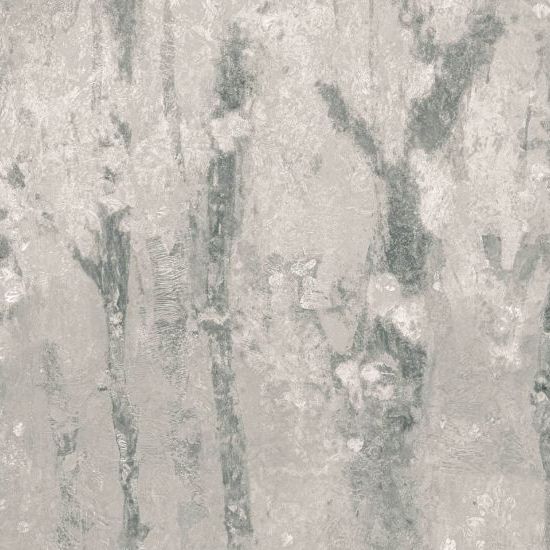
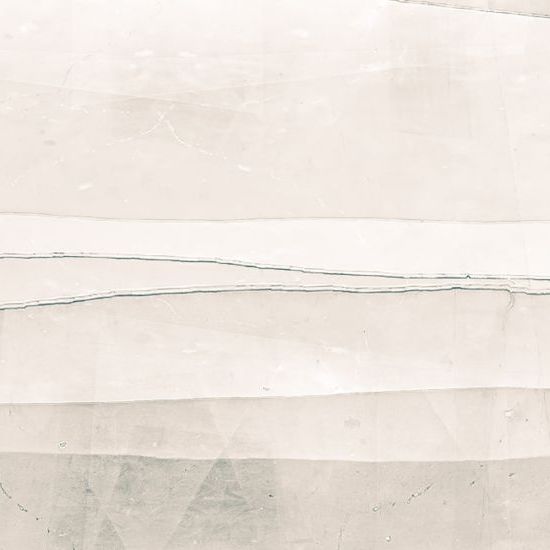
Casablanca
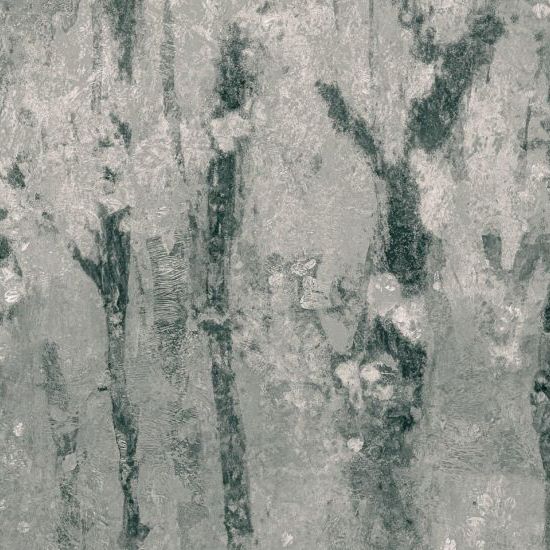
Casablanca

Beyond description: from views to experiences
Cameras are brilliant at description. They will faithfully record the surface of whatever we point them at, which is both their gift and their drawback. For a long time, photography carried the burden of truth-telling: show us what was there, show it clearly, don’t interfere. Painters, by contrast, don't worry much about accuracy. They are more interested in experience.

Think of Vuillard’s interiors, where rooms dissolve into pattern and mood rather than cleanly rendered furniture. He compresses depth until figure and wallpaper sit almost on the same plane; it feels like standing in the middle of the atmosphere of a room, not inspecting its contents. We can borrow that! Shooting front-on rather than at an angle to kill perspective, using longer lenses to compress space, letting background and subject compete tonally instead of separating them neatly — these are simple photographic decisions that shift the image from description toward experience.


David Mankin’s paintings do this with landscape. He isn’t interested in “a view”; he’s interested in weather, force, the way a coastal wind echoes inside a body. The paint is dragged, scumbled and wiped back. You feel gusts and veils of rain rather than see a named cliff. When I work with ICM by the ocean, I’m after the same thing. A series of blurred, layered frames might show almost nothing literal, but viewers might think “I can feel that day; I can taste the salty air” That is the point. Photographs stop being a witness and start behaving like a response.

We push very hard against the oft-quoted idea of ICM and multiple exposure as hackneyed special effects. Used thoughtfully, they are simply ways to move out of description and into interpretation. They give us permission to say, “This is not what the world looked like. This is what the moment did to me.

Borrowing from Painters
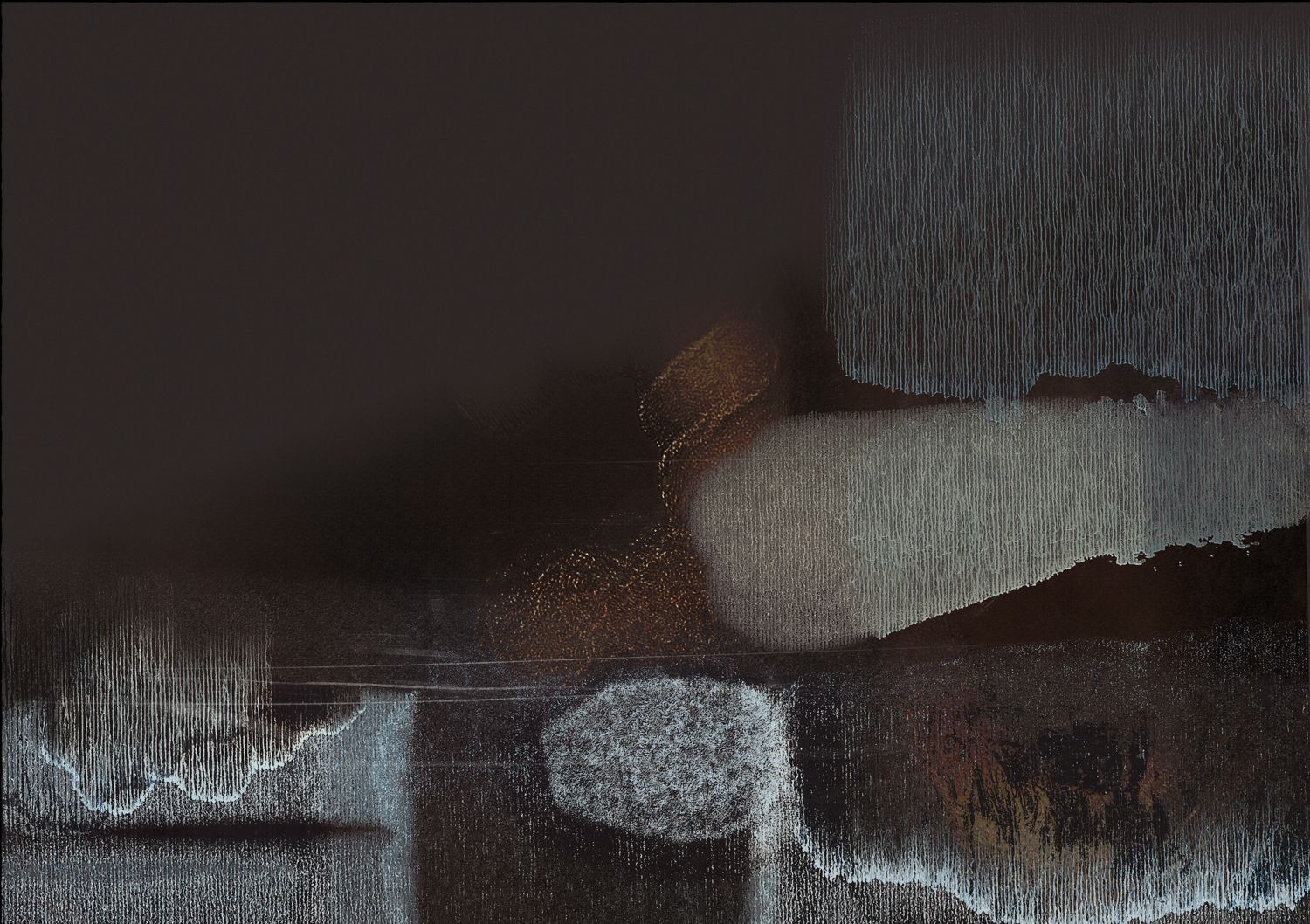
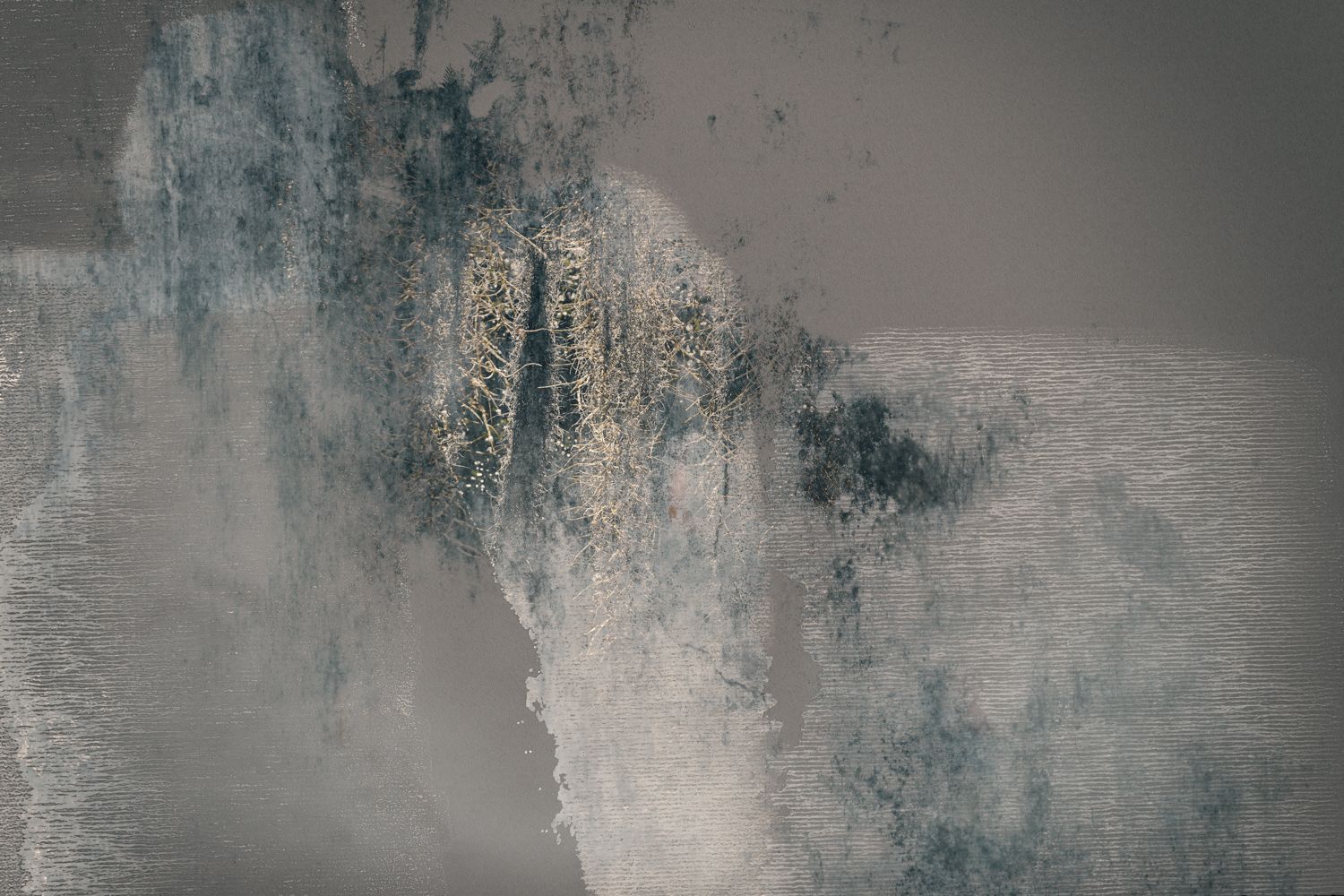
Estrago. After Storm Kristin

Gesture, scale and the courage to loosen
If gesture is our handwriting, scale is the volume at which we speak. Painters use physical scale to alter both their own movements and the viewer’s experience. A small panel invites quiet, fingertip marks; a huge canvas demands whole arm sweeps and movement across the studio. The size of the surface changes the interaction between artist and canvas.

In photography we assume scale is given: mountains are big, flowers are small. But painterly thinking suggests something different. Scale becomes less about the size of the subject and more about the energy of the gesture. A tiny patch of reeds can feel vast if we move the camera in broad, sweeping arcs. A wide beach can feel intimate if our movement is small and contained. Our body determines the scale of your mark; the energy comes across in the photograph.

CyTwombly’s loops and scribbles look reckless at first glance, but the emotional intelligence behind them is enormous. He shows us that looseness is not sloppiness; it’s vulnerability made visible. De Kooning’s muscular, searching strokes are another form of honesty. You feel a human being wrestling with perception, not a tidy plan being executed.

With a camera, choosing looseness takes courage. Everything in photographic culture (and camera clubs!) tells us to hold it steady, keep it sharp, get it right. To move the camera deliberately—to let edges dissolve, to create blur—is to step away from that safety net and into a more personal space. We replace “Make it clear” with “Feel this.”

The techniques we use—the ideas we pursue—are not an attempt to mimic brushstrokes. They are ways of allowing gesture, risk and accident into a medium that has been trained to fear them. We want the line of movement across the frame to carry as much emotional information as any painted stroke. This is not about trying to fake a painterly look. There are plenty of gimmicky plugins that will do that with the press of a button. No. It’s about borrowing painters’ priorities: use layering, colour and softness to convey the sensation of the moment, not just its outer form.

Layers, colour and atmosphere instead of facts
Painters build surfaces in layers: veils of colour, glazes of light, marks over older marks, some visible, some buried. Depth comes from this slow accumulation. Photography is often thought of as one instant, one layer, but that is a choice, not a rule.

The world arrives layered already — mist over trees, reflections in glass, branches over sky. When we move the camera, or make multiple exposures, we let time layer on top of itself: a gesture draws a streak of light, an open shutter lets detail seep through, a change in direction introduces a counterpoint. Two or more moments occupy the same rectangle. The result feels closer to memory—a composite, slightly unreliable, but emotionally connected.

Colour carries a huge share of that truth. Mark Rothko understood colour as emotion, not decoration. His rectangles aren’t of anything, yet they feel like grief or quiet, or a held breath. Colour becomes the emotional climate of the picture. It’s no longer “the colour of the tree”; it’s the colour of the experience of being there.

When we prioritise atmosphere over accuracy, we also change the kind of truth we’re chasing.
Detail speaks to the rational mind: “Look at this.”
Atmosphere speaks to the body: “Feel this.”
Long exposures, ICM, shooting through foliage or wet glass, using editing tools to deepen tone and surface—all of these are ways of letting mood predominate.

Freedom, constraints and finding a personal language
There is a romantic myth that artistic freedom means doing whatever you like. Painters like Agnes Martin quietly dismantle that. She worked within severe constraints—grids, pale colours, repeated formats—and yet the work is full of space. Her freedom came from depth, not variety.

Photography is no different. If we try to use every tool, every subject, every approach at once, the work becomes diffuse. The content inside Find Your Voice alone could keep you happily distracted for years. At some point, we each have to choose. For me, that has meant accepting certain self-imposed boundaries: leaning into gesture rather than precision, atmosphere rather than detail or maybe abstraction rather than description. It could be prioritising colour as emotion rather than fact or process over product.

ICM and multiple exposure fit naturally inside those choices. They demand that we engage with process as an ongoing challenge rather than a checklist. Once the shutter is open, the image is made through negotiation: each decision made predicated on what the last decision gave me. Getting it right becomes less important than letting it become itself. That is where a personal visual language starts to form.

These are the kinds of conversations we have inside Find Your Voice all the time — not just how to move the camera, but why that movement matters, what it can carry, and how borrowing from painters can deepen a photographic practice rather than dilute it.

If this way of thinking resonates with you, you’d be very welcome to join us and explore it in more depth alongside a warm and friendly community who are all wrestling with similar questions.

We offer a two-week, no obligation free trial. Two months free on annual subscriptions. And we currently have our spring promotion running. Use the code VISION15 for a 15% discount until the end of April.

Comments

Leave a Comment

Commenting is not available in this channel entry.